
Browse Articles Online

Review Article | Open Access
Published on: 06 Jun 2026
Article ID: wjp.2026.f0605
Spontaneous Resolution of Inguinal Hernias and the Role of Gut-related Secretomotor Disorders via the PNEI Axis in Early vs Late Inguinal Hernia Repair in Preterm Infants
Inguinal hernia remains one of the most frequent surgical conditions in preterm infants. While early repair has traditionally been advocated to prevent incarceration, emerging evidence suggests that delayed intervention may allow for spontaneous resolution in select cases. This review synthesizes updated systematic reviews and meta-analyses, incorporating Trial Sequential Analysis (TSA), to evaluate the balance between early versus late repair. Particular attention is given to the role of…

Research Article | Open Access
Published on: 03 Jun 2026
Article ID: wjog.2026.f0301
Oral Versus Vaginal Misoprostol for Labor Induction: A Prospective Comparative Study of Maternal and Neonatal Outcomes
Background: Labour induction is increasingly common, and misoprostol is widely used due to its efficacy, affordability, and stability. The optimal administration route remains debated, particularly regarding efficacy and safety.
Objective: To compare the efficacy and safety of low-dose oral versus vaginal misoprostol for labor induction and evaluate associated maternal and neonatal outcomes.
Methods: Pregnant women…
Systematic Review | Open Access
Published on: 27 May 2026
Article ID: wjh.2026.e2704
Association of Haematological and Haemostatic Parameters with Female Reproductive Hormones: A Systematic Review and Research Synthesis of Mechanisms, Clinical Correlations, and Implications for Practice
Background: Female reproductive hormones exert systemic effects extending beyond reproductive physiology to influence hematopoiesis, immune regulation, endothelial integrity, and haemostatic balance. Cyclical and life‑stage hormonal variations significantly alter haematological and coagulation parameters.
Objective: To systematically review and synthesize evidence on the association between female reproductive hormones and haematological and…

Case Report | Open Access
Published on: 27 May 2026
Article ID: wjms.2026.e2705
Multiorgan Failure Following Severe Plasmodium falciparum, Malaria, Dehydration, and Acute Ischemic Stroke in an Elderly Hypertensive Patient with Chronic Inflammatory Diseases: A Case Report and Literature Review
Background: Severe malaria remains a leading cause of morbidity and mortality worldwide, particularly among vulnerable populations such as the elderly and individuals with comorbidities. The interaction between malaria, dehydration, hypertension, and stroke can accelerate multiorgan dysfunction through complex hematological, haemostatic, and microvascular mechanisms.
Case Presentation: We report the case of an 85-year-old hypertensive female with…

Research Article | Open Access
Published on: 27 May 2026
Article ID: wjacs.2026.e2701
A Comparative Study of the Effect of Using Gamma Rays and Lantana Leaves Powder on the Quality of Cowpea Seeds During Storage
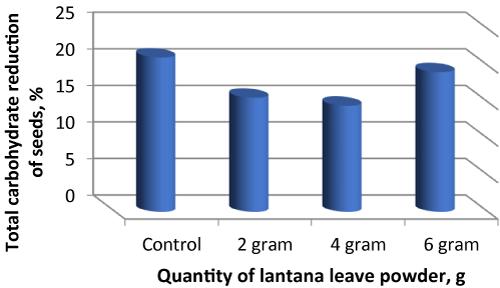
This study involved using gamma radiation and lantana leaf extract to preserve cowpea seeds for six months. The study aimed to determine the effect of gamma radiation and lantana leaf extract on certain quality factors of cowpea seeds, such as protein and carbohydrate content, moisture content, and weight loss during storage. This would allow for their use as preservation methods to protect stored seeds from spoilage in grain stores. Gamma radiation was used at doses of 5, 10, and 15 kGy,…

Research Article | Open Access
Published on: 27 May 2026
Article ID: wjbct.2026.e2702
Comparative Evaluation of Zinc Oxide and Thyme Essential Oil Nanoparticles as Antimicrobial Agents Against Campylobacter jejuni in Food Products
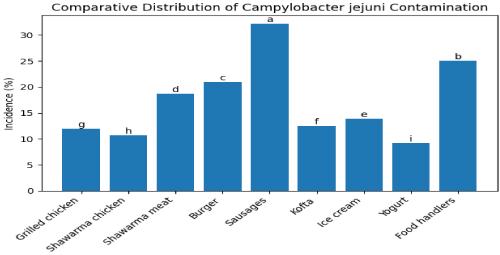
Campylobacter jejuni is a leading cause of foodborne gastroenteritis worldwide, commonly associated with contaminated meat and poultry products. This study aimed to investigate the incidence of C. jejuni in various food samples, evaluate the antimicrobial activity of Zinc Oxide Nanoparticles (ZnO-NPs) and thyme essential oil nanoparticles, and characterize key virulence genes among the isolates. A total of 1,060 samples, including meat products, dairy products, and food handlers, were…

Mini Review | Open Access
Published on: 27 May 2026
Article ID: wji.2026.e2703
ORCID: A Necessary Digital ID for University Lecturers and Researchers in the 21st Century
As scholarly communication becomes more digital, it is important to have dependable mechanisms for finding researchers and connecting them to their work. The Open Researcher and Contributor ID (ORCID) are a permanent digital ID that sets researchers apart and makes sure that scholarly work is correctly credited. This paper looks at how important ORCID is for researchers and university teachers. It talks about how it can help with visibility, clear up name confusion, and make research…

Mini Review | Open Access
Published on: 25 May 2026
Article ID: wjid.2026.e2506
Andes Hantavirus Beyond Endemic Borders — Why Vigilance Matters More Than Panic: A Rapid Mini Review
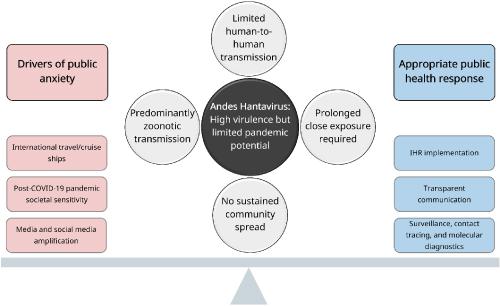
Background: In May 2026, the World Health Organization (WHO) reported a multi-national cluster of Andes hantavirus (ANDV) infections linked to the cruise vessel M/V Hondius. The outbreak generated international concern because ANDV is associated with hantavirus pulmonary syndrome (HPS), a severe zoonotic disease with reported case-fatality rate (CFR) of 35-50%, despite limited person-to-person transmission. This rapid mini-review aimed to examine the virologic,…
Research Article | Open Access
Published on: 25 May 2026
Article ID: wjptr.2026.e2501
Randomized Controlled Study of IASTM vs. SHAM Treatment in Alleviating Symptoms Associated with Upper Trapezius Myofascial Trigger Points
Instrument-assisted soft tissue mobilization (IASTM) is widely used and compared with other therapeutic interventions. However, limited evidence exists comparing IASTM with sham treatment in the Philippines, which hinders the ability to determine observed therapeutic outcomes attributable to the specific physiological effects of IASTM or to placebo-related responses. To address this gap, this study investigates the effects of IASTM vs sham treatment in alleviating the symptoms of upper…

Research Article | Open Access
Published on: 25 May 2026
Article ID: wjptr.2026.e2502
Traditional Filipino Games as Therapeutic Tools: Boosting Lower Extremities Gross Motor Skills in Children with Autism Spectrum Disorder
Motor dysfunction in children with Autism Spectrum Disorder (ASD) significantly complicates daily activities and contributes to social-behavioral challenges. While standard therapies are effective, they often lack cultural relevance or accessibility in low-resource settings. This study scrutinized the therapeutic potential of traditional Filipino games—specifically Piko and Patintero— as culturally grounded interventions to enhance lower extremity gross motor skills. Utilizing a quantitative…