Recently Published Articles

Research Article | Open Access
Published on: 02 Mar 2026
Article ID: wjptr.2026.c0202
Effectiveness of a Targeted Cervico-Scapular Physiotherapy Intervention on Smartphone Induced Postural Deviations and Musculoskeletal Symptoms: A Randomized Controlled Trial
Background: Smartphone-induced forward head posture, scapular dyskinesis, and associated musculoskeletal symptoms represent a growing public health concern among young adults. While postural dysfunction is well-documented, evidence-based intervention protocols integrating cervical stabilization, scapular motor control, and thoracic mobility remain limited. This randomized controlled trial evaluates the effectiveness of a targeted cervico-scapular physiotherapy intervention…

 DOI: 10.5281/zenodo.19034349 »
Research Article | Open Access
Published on: 02 Mar 2026
Article ID: wjptr.2026.c0203
Prevalence of Smartphone-Related Cervico Scapulothoracic Postural Deviations and Musculoskeletal Symptoms Among College Students: A Cross-Sectional Observational Study
Background: Smartphone usage among college students has become ubiquitous, with daily screen time exceeding 4–6 hours in sustained flexed cervical postures. Prolonged smartphone engagement precipitates forward head posture, scapular dyskinesis, and associated musculoskeletal symptomatology. However, the integrated prevalence of cervico-scapulothoracic postural deviations specifically in college-age populations remains incompletely…

Research Article | Open Access
Published on: 28 Feb 2026
Article ID: wjptr.2026.b2801
Impact of Chronic Mobile Phone-Induced Postural Stress on Autonomic Nervous System, Hormonal Balance, and Cognitive Fatigue: A Physiotherapy-Based Intervention Study
Background: Prolonged mobile phone use induces forward head posture (FHP), creating a bidirectional pathway linking musculoskeletal strain to neuroendocrine dysregulation and cognitive impairment. No existing global study integrates postural biomechanics, autonomic nervous system function, hormonal biomarkers, and cognitive outcomes in smartphone populations.
Objective: To investigate the multisystem impacts of chronic mobile phone-induced…

Research Article | Open Access
Published on: 28 Feb 2026
Article ID: wjptr.2026.b2802
Cervico-Thoracic Fascial Densification and Altered Force Transmission Induced by Prolonged Smartphone Use: A Multimodal Ultrasonographic, Elastographic, and Electromyographic Investigation with Targeted Physiotherapy Modulation
Background: Smartphone-related neck disorders predominantly focus on postural kinematics and muscle activation patterns. The cervico-thoracic fascial system's role in altered load transmission during prolonged mobile device use remains uncharacterized. This study investigates fascial densification, shear-strain impairment, and myofascial force transmission dysfunction in smartphone users.
Objective: To evaluate cervico-thoracic fascial…

Research Article | Open Access
Published on: 28 Feb 2026
Article ID: wjptr.2026.b2803
Association of Study Posture Variability, Backpack Carrying Pattern, Late Night Study Habits, and Study Break Frequency with Musculoskeletal Discomfort and Fatigue Among Students: An Observational Study
Background: Musculoskeletal discomfort among students has become increasingly prevalent due to prolonged sitting, poor postural habits, and demanding academic schedules. However, limited evidence exists on the combined influence of postural variability, backpack carrying patterns, late night study habits, and break frequency on these outcomes.
Objective: This study aimed to investigate the association between study posture variability, backpack…

Opinion | Open Access
Published on: 23 Feb 2026
Article ID: wjptr.2026.b2302
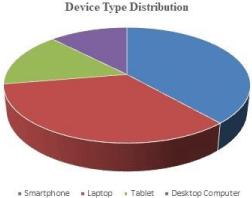
Prevalence of Early Musculoskeletal Discomfort Related to Digital Device Multi-Tasking and Ergonomic Practices in College Students
Background: The increased and rapid use of digital devices puts college students into a state of prolonged screen time, multi-tasking behaviors, and poor ergonomics practices, leading to early musculoskeletal discomfort. Early symptoms need to be identified to help avoid long-term musculoskeletal disorders.
Objective: To ascertain the prevalence of early musculoskeletal discomfort associated with digital device multi-tasking and ergonomic…

Opinion | Open Access
Published on: 23 Feb 2026
Article ID: wjptr.2026.b2303
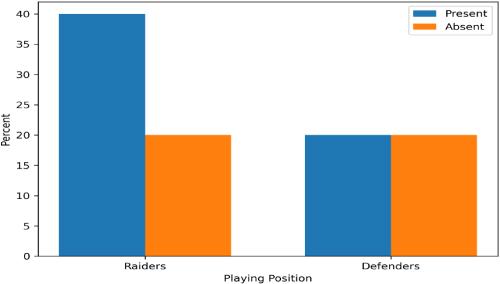
Prevalence of Functional Strength in Kabaddi Raiders and Defenders
Background: Kabaddi is high-intensity contact sport that requires players to perform rapid, complex, and multi-directional movements such as sprinting, lunging, twisting, balancing, and resisting opponents. Functional strength is essential for optimal performance in kabaddi, as it integrates strength, balance, core stability, coordination, and neuromuscular control. Raiders and defenders have distinct roles and physical demands during match play, which may influence the…


Research Article | Open Access
Published on: 23 Feb 2026
Article ID: wjptr.2026.b2304
Early Mobilization Protocols in Intensive Care Unit Patients: Evidence Based Approaches to Functional Recovery and Prevention of ICU Acquired Weakness
Early Mobilization (EM) in the intensive care unit represents a paradigm shift in critical care rehabilitation, addressing the profound physiological consequences of prolonged immobilization in mechanically ventilated patients. This evidence synthesis examines contemporary research on early mobilization protocols and their impact on functional outcomes, ICU acquired weakness prevention, and healthcare utilization in critically ill populations. A systematic analysis of 15 randomized…

Research Article | Open Access
Published on: 23 Feb 2026
Article ID: wjptr.2026.b2305
Impact of Prolonged Mobile Phone Use and Sustained Forward Head Posture on Musculoskeletal Dysfunction, Stress Hormone Regulation, and Autonomic Physiological Responses: A Physiotherapy Perspective
Smartphone use has become ubiquitous in modern society, with global users exceeding 6.8 billion individuals. Sustained Forward Head Posture (FHP) adopted during prolonged mobile phone engagement represents a significant public health concern, influencing musculoskeletal integrity, neuroendocrine function, and Autonomic Nervous System (ANS) homeostasis. This narrative review synthesizes contemporary evidence examining the biomechanical consequences of "text neck," upper crossed syndrome…

Research Article | Open Access
Published on: 23 Feb 2026
Article ID: wjptr.2026.b2306
Association Between Long-Duration Sitting with Forward Trunk Flexion During Mobile Device Use and Its Effects on Musculoskeletal Health, Neuroendocrine Function, and Psychological Well-being: Implications for Physiotherapy Intervention
Background: Prolonged sitting with forward trunk flexion during mobile device use has emerged as a ubiquitous occupational and leisure-time behavior in contemporary society, with global implications for musculoskeletal health, metabolic function, and psychological well-being. The biomechanical consequences of sustained sitting posture, coupled with device-related behavioral patterns, create a multisystem physiological disruption affecting approximately 71% of the global…