Editor Profile
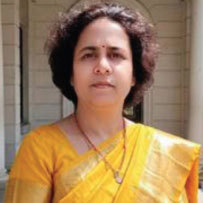
Dr. Usharani Rathinam Krishnaswamy, Ph.D.
Post Doctoral Researcher
Present
São Paulo State University
UNESP, Bauru-SP
Brazil
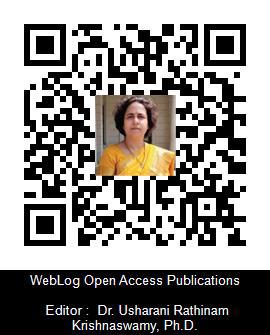
Dr. Usharani Rathinam Krishnaswamy is a highly respected academician, holding an M.Sc., M.Phil., and Ph.D. in Environmental Sciences from Bharathiar University, India. She has distinguished herself as a groundbreaking researcher specializing in sustainable bioremediation and ozonation technologies for water and wastewater treatment. Through her postdoctoral work as a Postdoctoral Scholar and CAPES Fellow at Universidade Estadual Paulista (UNESP) and her research at Universidade Federal do Rio de Janeiro (UFRJ), she has made significant strides in advancing sustainable solutions in environmental science. Her commitment to innovative technologies, such as floating wetland treatments and microbial fuel cells, showcases her passion for environmental stewardship. With diverse expertise spanning environmental bioremediation technology, environmental chemistry and engineering, bioprocesses, and nanotechnology, she addresses the pressing challenges of treating petrochemical and industrial wastewater. As an Assistant Professor at Indian Central University, KL Institutions-PSG, SNMV, and the Bharathiar University-DRDO Center for Life Sciences in Tamil Nadu, India, she leads by example, promoting ecological initiatives with exceptional dedication. Her achievements have garnered numerous accolades, including the Annual Appreciation Bronze Medal (2026) from the Sustainability and Productivity Standards Council (SPSC) in the UK, underscoring her unwavering commitment to sustainability and the UN Sustainable Development Goals. In addition, she serves as a Sustainability Ambassador (2025–2026) and has earned the Project Pitch Award (2024) from the European Union, inspiring others to embrace transformative change. Recognized for her academic excellence with the Best Paper Award at the International Conference on Advanced Oxidation Processes (2010) and her outstanding performance in the UGC's National Eligibility Test for JRF/Lectureship (2008), Currently, she continues her impactful journey as an independent researcher in India, making meaningful contributions to environmental science, particularly in Sustainable Ecotechnology, microbial electrolysis cells, nanobiochar, carbon capture and storage, carbon sequestration, emission control, and climate change mitigation.
- Environmental Sciences-Environmental Microbiology
- Environmental Chemistry
- Environmental Engineering
- Wastewater Treatment
- Bioremediation Technology
- Phytotechnology and Remediation
- Ozonation Technology
- Advanced Oxidation Process
- Sustainable EcoTechnology & Sustainable Management
- Bioprocess Chemical Engineering
- Bio-Electrochemical Treatment Processes
- Biogenic Nanotechnology